
How to Read a Supplement Label Without Getting Misled
Learn how to compare supplement labels, serving sizes, ingredient forms, blends, allergens, certifications, and marketing claims with confidence.
Start With the Serving Size and Ingredient List
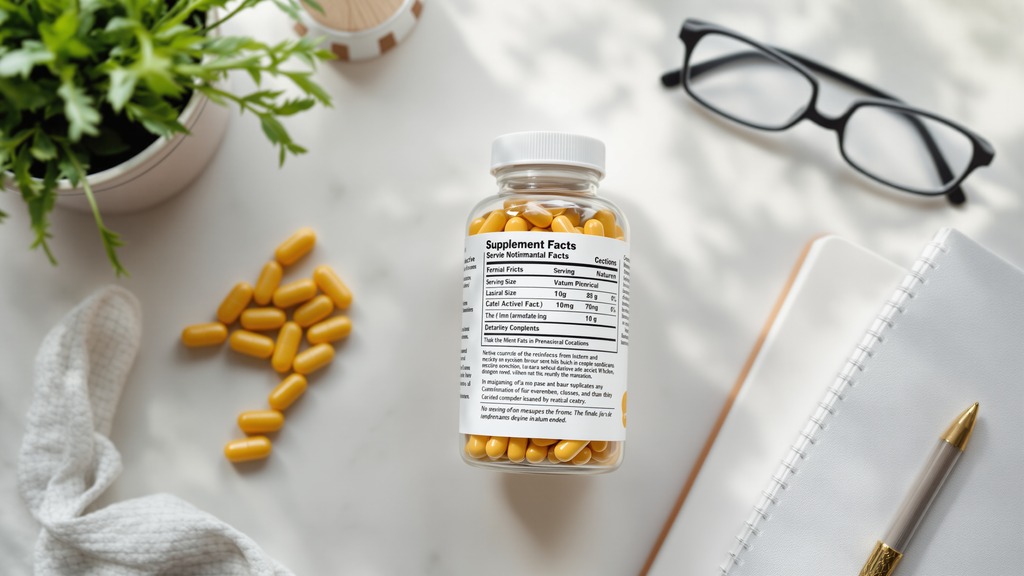
The first step in reading supplement labels is checking the serving size. A bottle may advertise a low price or a large number of capsules, but the suggested serving could be two, three, or more capsules daily. Compare products by the cost of a complete daily serving—not simply by capsule count. Also note whether the listed amounts apply to one capsule, a scoop, or the entire serving. This prevents misleading comparisons between products with different dosing instructions.
Next, review the active ingredients and their amounts. Names such as magnesium, vitamin B12, or omega-3 describe the nutrient, but the form can affect how the product is used and tolerated. For example, magnesium citrate and magnesium glycinate are different forms with different characteristics. Check whether a label lists the amount of the active nutrient or only the weight of the broader compound. Then review “other ingredients,” including capsule materials, sweeteners, colors, and preservatives. Ingredient transparency makes it easier to compare dietary supplements according to your preferences, allergies, and dietary needs.
Look Closely at Blends, Allergens, Certifications, and Claims
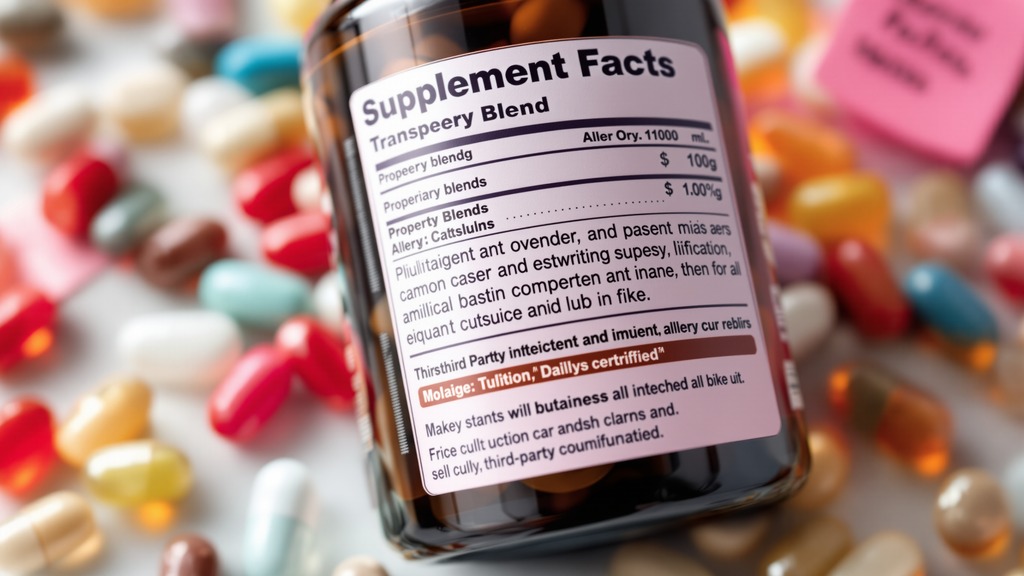
Be cautious with proprietary blends or formulas that list several ingredients under one combined amount. A label may name familiar herbs or nutrients but omit the quantity of each ingredient, making it difficult to judge whether the formula contains meaningful amounts or compare it with another product. Transparent labels list individual amounts whenever possible. Check allergen statements and dietary indicators as well. Look for declarations involving milk, soy, wheat, eggs, fish, shellfish, sesame, or tree nuts, and confirm whether the product fits vegetarian, vegan, gluten-free, or other requirements. “Made in a facility” statements describe potential shared equipment, not necessarily an ingredient in the product.
Certifications can add useful context, but read what they actually verify. Third-party testing may address identity, potency, contaminants, or manufacturing practices; a quality seal does not automatically prove that a supplement delivers every advertised health benefit. Marketing language such as “detox,” “miracle,” “boosts immunity,” or “clinically proven” deserves extra scrutiny. Dietary supplements may support general wellness, but claims are not the same as strong evidence for treating or preventing disease. Review safety guidance and ask a qualified healthcare professional about interactions or special circumstances.
Compare Products Using Evidence, Not Just Price
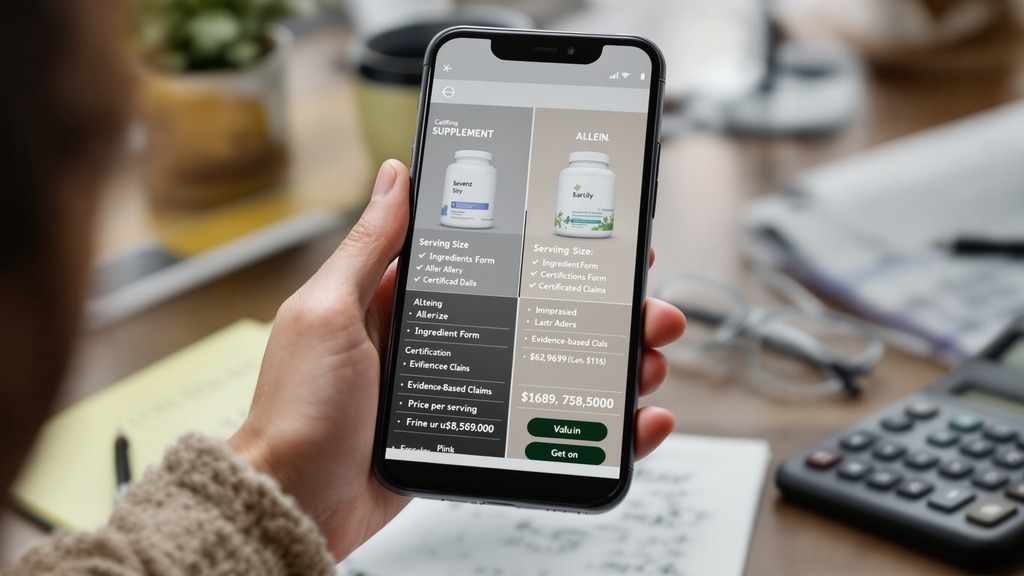
Once you understand the label, compare products in a consistent way. Record the serving size, amount of each active ingredient, ingredient form, number of daily servings, total price, and cost per serving. Then consider the product’s purpose, dietary compatibility, expiration date, storage instructions, and safety warnings. A lower-priced bottle may be more expensive per daily serving, while a larger dose is not automatically better. For recurring supplement shoppers, also check shipping costs, subscription discounts, cancellation rules, and how easily you can adjust or pause deliveries.
Use product pages that present standardized information rather than relying only on front-label promises. A clear comparison tool should show ingredients, allergens, certifications, usage guidance, claims, and pricing side by side. This approach supports better consumer health literacy and makes online purchasing more responsible. Keep your healthcare professional informed, especially if you take medications, are pregnant or nursing, manage a medical condition, or are choosing supplements for a child or older adult. By slowing down long enough to read the label, you can make more informed choices and avoid being misled by impressive packaging or vague language.